 Mattresses
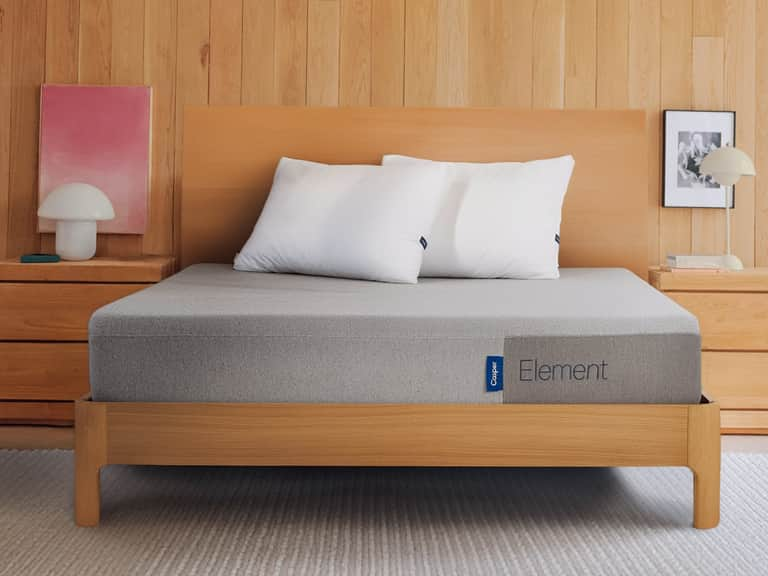
Element Mattress
Sleep cooler with airflow through the open-cell foam top, while responsive foam adds a gentle bounce to make moving easier—without that stuck-in-memory-foam feeling.
Foam mattresses use resilient foam layers to provide a supportive, pressure-distributing sleep surface. Their construction can suit bedrooms, guest rooms, and compact living spaces, with comfort depending on material density, thickness, and firmness. Understanding these characteristics helps compare foam mattresses with other bedding options and choose a surface suited to individual sleep needs.
The Element Mattress is a foam mattress option within this category. Its foam construction is intended to create an even resting surface, while the mattress format supports everyday use in a bedroom. Comfort and support preferences vary by sleeper, so factors such as sleeping position, body weight, and desired firmness are useful considerations.
Foam mattresses are often valued for their adaptable feel and ability to cushion areas that press into the sleep surface. They can be paired with suitable bed frames, including some adjustable beds, provided the mattress specifications allow that use. Checking compatibility and care guidance helps preserve the mattress and maintain reliable performance over time.
When selecting bedding for a nursery or another specialized space, mattress dimensions, firmness, and safety guidance deserve careful attention. Foam mattresses should fit the intended bed frame correctly, and nursery sleep surfaces must follow applicable safe-sleep recommendations. Pillows and other bedding accessories should be chosen separately according to age, comfort needs, and relevant safety advice.
Material preferences can also shape comparisons among foam mattresses, organic mattresses, and other bedding choices. Review available information about foam composition, covers, maintenance, and certifications rather than assuming all products share the same properties. These details clarify how an option such as the Element Mattress may fit a household’s comfort preferences and practical requirements.
Mattresses