Comparing Organic Mattress Options: Vispring vs. Savvy Rest
An informed examination of two venerable names in natural sleep: Vispring and Savvy Rest. The piece threads together materials, construction, and certifications to illuminate how these choices translate into everyday comfort, health, and longevity. In a market crowded with claims, the quiet authority of natural materials, careful engineering, and transparent standards remains the surest guide to a sleep that respects the body.
Vispring: The Luxury of Natural Springs and Handcrafted Detail
Vispring has long stood as a benchmark for those who believe that sleep deserves a ceremony. Their signature approach marries premium natural springs with layers of natural fibers—wool, cotton, wool blends, horsehair—crafted into a mattress that feels both buoyant and enveloping. The articulation here is not just about support; it is about an experiential quality that rewards attention to texture and temperature.
The core concept is simple in its elegance: a bed that breathes. The springs, typically nested within layers of organic materials, respond to weight with a gentle resilience that discourages pressure points and supports spinal alignment without rigid, impersonal rigidity. In practical terms, Vispring often emphasizes breathability, temperature regulation, and the long-term integrity of natural fillings. This is a line that reads as an invitation to slow down, to lie back, and to notice the way a bed can cradle your body while still offering the freedom to move.
Certifications tied to Vispring products—organic materials, natural latex, and responsibly sourced fibers—speak to a philosophy of sustainability that extends beyond a single night’s rest. The craftsmanship is cumulative: the cover textile, the stitching precision, the layering order—all contribute to a sleep experience that resists the quick wear of daily life. The result is a mattress that, in the eyes of a certain consumer, earns its price as a durable, long-term partner in daily renewal.
Savvy Rest: Customization, Latex Layers, and a Philosophical Fit
Savvy Rest approaches the organic mattress with a modular mindset. Their hallmark lies in customization through layered latex configurations. The company offers a spectrum of firmness options, enabling sleepers to tailor a bed to their unique balance of neck support, shoulder relief, and hip alignment. The result is not simply a mattress but a precise instrument for comfort—one that can be adapted as sleep needs shift over time.
The latex components bring a distinctive feel: a buoyant responsiveness that avoids sinking into the mattress while still offering a cushion that holds its shape. The layered approach also allows couples to experiment with different tensions, mitigating partner disturbance and enabling configurations that better match individual sleep styles. The materials—natural latex, organic cotton, and wool blends—are chosen for their combination of resilience and breathability, contributing to a cooler, cleaner sleeping environment.
Certifications around Savvy Rest emphasize organic content and fair manufacturing practices. The company’s emphasis on health-centric materials aligns with a broader cultural movement toward transparency in the bedding industry. Savvy Rest’s approach invites a conversation about how a mattress can be durable, comfortable, and ethically produced—an alignment of comfort with conscience.
Materials and Crafting: What Binds Luxury to Everyday Wellness
At the heart of the Vispring and Savvy Rest conversations lies a shared reverence for materials that perform as they promise. Natural springs in Vispring beds deliver a kind of resilience that some sleepers describe as springy yet supportive—an almost musical response to changing sleeping positions. The wool and cotton layers act as climate moderators, absorbing moisture when the night grows warm and releasing it as dawn approaches.
Savvy Rest, with its latex-centric approach, foregrounds the idea that a mattress can be both supportive and buoyant. The latex layers offer consistent contouring with a quick rebound, a property that helps sleepers transition between positions without feeling “stuck.” Coupled with organic cotton and wool, the construction remains breathable, reducing heat buildup—an issue that can spoil a night’s rest in warmer climates.
The question of durability naturally follows. Natural materials, when properly sourced and carefully assembled, can weather years of use with grace. The longevity of a mattress—how well it maintains its shape, how it resists sagging, how easy it is to refresh with seasonal cleaning—depends not merely on price or brand prestige but on the integrity of its internal layers and the quality of the outer cover.
Certifications and Trust: The Quiet Value of Transparency
Certifications serve as a language through which manufacturers communicate standards that matter to sensitive sleepers: free of harmful chemicals, responsibly sourced materials, and fair labor practices. The organic world rewards transparency, and in the realm of organic mattresses, certifications such as GOTS (Global Organic Textile Standard), GOLS (Global Organic Latex Standard), and independent third-party testing offer a map by which buyers can navigate the claim-laden landscape.
Vispring’s tradition of natural materials is often underpinned by a historical confidence in enduring substance. Savvy Rest’s model of layered customization naturally invites a posture of ongoing assessment; sleepers can revise configurations as their bodies change. Both brands, in their ways, remind us that the mattress is not a disposable object but an evolving platform for health and daily life.
This emphasis on certification and provenance is not merely a marketing trope; it is a practical framework for at-home decision-making. When you lie down on a bed built with traceable fibers and accountable processes, you are choosing not only comfort but a narrative about how your rest becomes a form of daily self-respect.
A Concrete Touchstone: The Gallop Claret Bed Skirt
To ground this meditation in tactile reality, consider a companion piece from the broader sleep ecosystem: the Gallop Claret Bed Skirt. This accessory—though not a mattress itself—embodies the design philosophy that surrounds high-quality sleep: it’s about the atmosphere, the finish, and the sense of a room arranged with intention. The Gallop Claret Bed Skirt, with its rich crimson hue and plush chenille texture, does more than conceal what lies beneath. It contributes to the ritual of preparing a sleeping space that feels both curated and comfortable.
The bed skirt’s presence signals a design vocabulary where material warmth meets practical durability. In a room set by Vispring or Savvy Rest, the skirt’s color and texture can become a keystone—an anchoring note in a composition where every layer speaks to the same creed: comfort anchored in quality.
Product highlight: Gallop Claret Bed Skirt — 5311 through Wooded River, crafted in chenille for a lush finish. A sleeping space is not merely an object of rest; it is a crafted experience, and the bed skirt is a quiet instrument within that experience.
Modern Lines: The Essex Low Footboard Bed as a Visual Partner
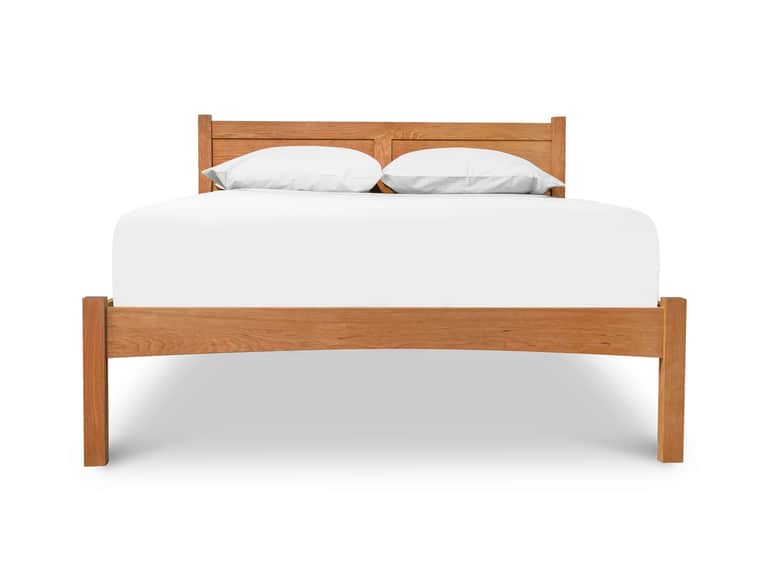
While the mattress lies at the heart of sleep, the bed frame provides the visual and mechanical support that frames the night. The Essex Low Footboard Bed presents a different facet of the sleep ecosystem: a solid hardwood panel bed with clean lines and a practical, timeless finish. When paired with an organic mattress from Vispring or Savvy Rest, the frame fulfills a dual duty: it anchors the room aesthetically and anchors the mattress securely, ensuring full performance from the layers above.
The Essex bed’s two-tone design and linseed oil finish speak to a philosophy of materials that age gently. It is a reminder that the decision about a mattress is inseparable from the aesthetic and tactile context in which it sits. A room is a narrative, and the bed frame helps tell it with quiet authority.
Three Key Figures Across Time
Sleep has always been a human cross-section: the 19th-century artisan shaping a Vispring-like mattress by hand, the mid-century designer who imagined a modular system for modern bedrooms, and the contemporary researcher who studies sleep science and material chemistry. Here are three pivotal figures from distinct epochs who illuminate how we come to understand comfort, materials, and the rituals of rest.
1) Isambard Kingdom Brunel (1806–1859): Engineering Comfort from the Ground Up
Brunel’s era was defined by iron, scale, and a belief that human environments can be engineered for better living. While not a mattress designer, Brunel’s philosophy—integrating form, function, and resilience—echoes in the contemporary devotion to materials that endure. The concept of a bed that supports the sleeper with both buoyancy and stability borrows from the same ethos that gave us the steamship, the railway, and the durable, meticulously crafted components that hold a cabin together through long nights. His spirit lives on in modern craftsmanship that treats the bed as a crafted instrument rather than a mere object.
2) Florence Nightingale (1820–1910): Hygiene, Care, and the Habit of Sleep
Nightingale’s influence on caregiving and hospital design extended into the way we think about rest and recovery. Her emphasis on clean environments, regulated airflow, and evidence-based care resonates with the current emphasis on breathable, hypoallergenic materials and transparent certifications in organic mattresses. The Nightingale principle—design with health in mind—becomes a throughline in any thoughtful discussion about bedding: value is measured not only by comfort, but by safety, cleanliness, and the long arc of wellbeing.
3) Margrethe II of Denmark (modern era): Minimalism, Craft, and Danish Design
The mid-to-late 20th century brought a refinement of form that prizes simplicity, function, and natural materials. A bed that looks serene, engineered with honest materials, and designed to age with grace mirrors the Danish design ethos. In today’s market, Vispring and Savvy Rest represent a continuation of that lineage: human-scale luxury, proportion, and a belief in sleep as a daily ritual worth investing in.
Conclusion: Where Comfort Becomes Confidence
The Vispring and Savvy Rest conversations are less about a simple price comparison and more about a philosophy of sleep. Each brand tells a distinct story about how materials, construction, and ethical considerations converge to shape a nightly ritual. The certified natural springs and layered latex configurations offer different paths to the same destination: restful, restorative sleep anchored in transparency, quality, and a sense of place.
In choosing between them, the decision rests on a simple, human question: what kind of sleep space do you want to inhabit? One that feels ceremonious, almost luxurious, with the soft, tactile drama of natural fibers? Or one that feels flexible, customizable, and responsive to changing needs without sacrificing the clean lines of thoughtful design? Both roads lead to the same nightly practice: lying down in a space that respects you, your health, and the quiet promise of a new morning.
Product Spotlight
Gallop Claret Bed Skirt (5311)
The Gallop Claret Bed Skirt adds a rich, western-inspired touch to the bed set with a deeper crimson backdrop and a plush, cozy finish. This refined piece blends color and texture for a cohesive bedroom look and pairs easily with western-inspired accents.
- Material: Chenille
- Color: Deep crimson
- Brand: Wooded River
- Price: 246.00
Essex Low Footboard Bed
Solid hardwood panel bed finished with eco-friendly linseed oil and wax, customizable with wood options and a two-tone design to suit your room.
- Finish: Linseed oil and wax
- Material: Solid hardwoods
- Brand: Vermont Furniture Designs
- Price: 1999.00
Editorial Note and Further Reading
This article threads together a focused comparison—Vispring’s tradition of natural springs and Savvy Rest’s modular latex approach—with a tactile sense of how accessories and frames complete the sleep environment. For readers seeking a practical path forward, consider a three-step approach: assess your climate and wellness priorities, sample a layered configuration, and evaluate certifications as your baseline of trust. The goal is not to crown a winner, but to cultivate a readerly confidence in choosing a mattress that respects both body and environment.
If you would like, I can develop a concise, three-month editorial plan centered on organic sleep ecosystems, including deeper dives into materials science, regional manufacturing practices, and consumer guidance grounded in sleep science.