Bedding · Seasonal comfort
Why Washable Wool Comforters Suit Changing Seasons
A comforter earns its place not by being perfect for one particular night, but by remaining welcome when the weather, the room, and the sleeper all seem to have changed their minds.
There is a small drama to the changing season at bedtime. The room that felt chilly at ten o’clock may be warm by three; a window opened for the last traces of summer can turn, in the early hours, into a regrettable experiment. We adjust a blanket, push it away, pull it back. Sleep, which prefers not to be managed, is nevertheless subject to the thermostat, the house, and the temperament of the person beneath the covers.
A comforter made with wool has an appealing answer to this uncertainty. Wool can provide warmth while allowing moisture to move away from the body, so the experience is not simply one of accumulating heat. That quality makes wool worth considering across a stretch of the calendar when nights are neither reliably cold nor reliably warm. The best choice, however, is not a matter of material alone. Fill weight, cover fabric, construction, room conditions, and care all shape how a comforter behaves.
Washability adds a practical dimension. Wool has a reputation for being delicate, and some wool bedding does require special handling. A comforter specifically designed to be washed can make routine care feel less like a preservation project. The distinction matters: “wool” describes a material, not a universal set of care instructions. Always follow the directions for the particular item rather than assuming that all wool can be treated alike.
Wool’s particular kind of warmth
Warmth is often discussed as if it were a number on a dial: more fill, more heat; less fill, less. In use, it is less straightforward. A bed’s warmth comes from the combined effect of insulation, airflow, moisture, bedding layers, room temperature, and the sleeper’s own preferences. A comforter that feels cozy to one person may feel stifling to another, even in the same room.
Wool fibers have a structure that can trap air, helping provide insulation, while wool bedding is also valued for its ability to manage moisture. In a bed, that balance may feel different from the sealed-in warmth some people associate with heavier, less breathable layers. It does not mean a wool comforter can regulate a room’s temperature or guarantee an unchanged body temperature overnight. It does mean the material offers a useful combination of insulating warmth and a less clammy feel for many sleepers.
That distinction becomes especially noticeable in transitional weather. A cold winter night presents a fairly obvious case for substantial insulation. A mild autumn evening is more ambiguous: the comforter must feel welcoming when the bed is first made and not become an oppressive presence later. A lightweight wool comforter may be a sensible middle ground for people who want a single layer with year-round potential, particularly in a bedroom where temperatures fluctuate.
“All-season,” though, is a description of intended versatility, not a promise that one comforter will suit every climate or sleeper. A draughty room, a warm apartment, a shared bed with different temperature preferences, and a person who naturally sleeps hot will each change the calculation. Climate and household habits matter as much as the label.
The case for a lighter fill
A lightweight comforter is not necessarily an inadequate winter comforter, nor is it automatically the right choice for summer. Its usefulness depends on how it is built and how it is used. In a well-insulated home, or for someone who prefers a lighter covering, modest fill may be comfortable through a broad range of temperatures. In a colder bedroom, it may work better as one layer in a system that can be adjusted.
The first question is therefore not simply, “How warm is it?” but, “How do I want my bed to work?” Someone who likes to add or remove layers might choose a lighter comforter and keep a blanket nearby. Someone who dislikes multiple covers may prefer a warmer option for the coldest months and store it when the weather changes. For a guest room, a versatile, lighter layer can be useful because visitors arrive with different expectations and sleeping habits.
Fill weight can help make comparisons, but it is only one piece of the picture. Two comforters with similar weights may feel different because of the fiber, quilting pattern, cover fabric, and construction. Stitching that holds filling evenly in place can help reduce shifting and clumping. A smooth, breathable cotton cover can also affect the hand and the way the whole comforter feels against the sleeper. Product specifications are most useful when read together, rather than treated as a single decisive number.
Before choosing a weight, consider a typical night rather than an unusually cold one. Is the bedroom generally warm? Does the bed share a wall with an outside corridor? Do you sleep under a duvet cover, or directly beneath the comforter? Does a partner tend to pull the covers close, or push them to the foot of the bed? These ordinary observations often provide a better guide than the season printed on a calendar.
A closer look at washable construction
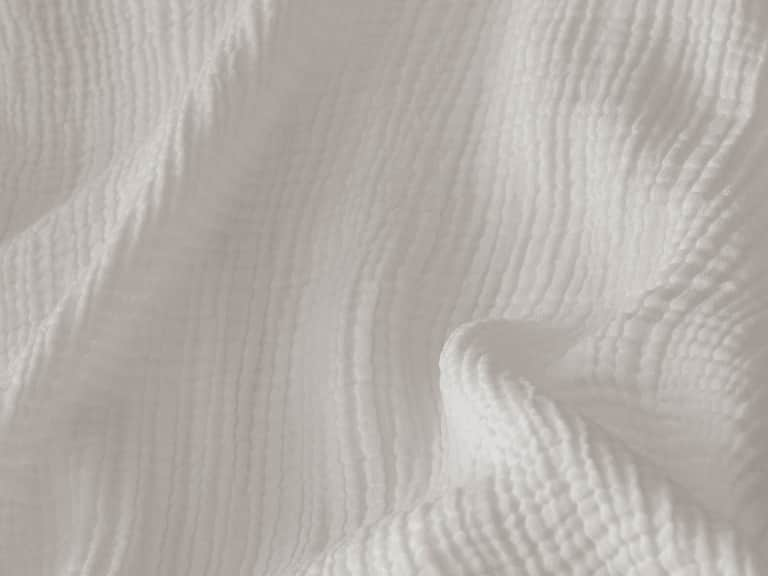
The Suite Sleep Washable Wool Comforter pairs super-washed wool with a 100 percent organic cotton sateen cover. The wool fill is quilted to the cover to help keep it in place, and the comforter is described as lightweight and suited to all-season use or to sleepers who prefer a lighter covering. It is available in Twin, Full/Queen, and King sizes.
Those details are useful because they describe more than a material. Quilting addresses the practical question of where the fill goes over time; the cotton cover describes the layer that meets a duvet cover or, depending on the setup, the sleeper. The super-washed wool and the care instructions indicate that this particular comforter is intended to be machine-washed gently. That is a significant convenience, but it should not be mistaken for permission to wash it frequently or carelessly.
The comforter’s lightweight construction may appeal to someone seeking a bed that feels warm without being heavily insulated. It may also make sense for a bedroom with changing temperatures, or for a sleeper who likes the option of adding another layer on colder nights. The product description lists a three-year warranty against defects. As with any warranty, it is sensible to check the current terms and understand what is and is not covered before purchase.
No fill weight is listed in the supplied product details, so it is better not to infer one. If a precise weight is central to your decision, consult the retailer or manufacturer for current specifications. The same goes for dimensions and fit: comforter sizing can vary among makers, and the way a comforter drapes over a mattress depends on the bed’s width, height, and any topper in use.
What washing asks of wool
A washable wool comforter is easier to maintain than one that must be professionally cleaned, but washing remains a procedure rather than a casual chore. The Suite Sleep care directions call for a gentle cycle in a front-loading washer and cold water. They recommend air-drying in the sun or tumble-drying on low until the comforter is almost dry, then finishing it flat to help prevent clumping and felting. The directions also caution that wool is naturally breathable and that the comforter should not be washed unless necessary.
That final point is worth lingering over. “Machine washable” describes a method available when cleaning is needed; it does not mean the best routine is to launder the comforter every week. A duvet cover can take the more frequent contact with skin, hair, and household dust. Washing the cover separately, according to its own instructions, may reduce how often the comforter itself needs attention.
Before washing, check the care label attached to the item. Make sure the washer can accommodate a bulky comforter without crowding it; a tightly packed drum cannot clean or rinse fabric effectively. Use a gentle detergent and avoid substituting a hotter cycle for the cold-water instructions. Strong agitation, excess heat, and rough handling can affect wool fibers and the shape of the bedding. If your home washer is too small, a suitably large commercial machine may be a better option, provided it offers the required cycle and temperature.
Drying deserves equal attention. A comforter that feels dry at the surface may still hold moisture within its fill. Follow the manufacturer’s sequence, allow enough time, and check the interior before putting the comforter back on the bed or storing it. The recommendation to finish drying flat is not decorative fussiness: it helps reduce uneven settling while the wool is still damp. Avoid improvising with high heat, which may cause damage even when a low setting is specified.
For minor everyday freshness, a duvet cover and a ventilated bed may be enough. Airing bedding can help it feel refreshed without immediately reaching for the washing machine. If there is a spill, address it promptly and consult the specific care directions rather than scrubbing aggressively. When in doubt, the product label is the authority; general advice about wool cannot account for every finish, seam, or construction.
The quiet usefulness of a duvet cover
A duvet cover is one of the simplest ways to make a comforter more manageable. It provides a removable outer layer that can be laundered more often, while helping protect the comforter from oils, dust, and ordinary wear. Inside ties or other fastening details, where present, can help keep the comforter from drifting inside the cover. The result is less a complicated bedding system than a practical division of labor: the cover handles routine cleaning, the comforter supplies the warmth.
The cover also changes the feel of the bed. Cotton percale tends to have a crisp hand; sateen is generally smoother. A textured weave may feel different again. These descriptions are not guarantees of comfort—finishing, weight, and individual preference all matter—but they can guide a choice. If a wool comforter is intended to serve across seasons, it is worth considering whether the cover will feel pleasant in both a cool room and a warm one.
Size deserves a practical check. A duvet cover should be compatible with the comforter’s dimensions, but labels such as “queen” are not perfectly standardized. Compare measurements when possible, and consider how much drape you like at the sides of the bed. An oversized cover can leave a comforter shifting inside it; a tight cover can compress the fill and change the feel.
Seasonal comfort is a matter of layering
The bed need not be redesigned each time the weather turns. A lightweight comforter can form a stable base, with a spare blanket folded within reach for colder nights. In warmer weather, the blanket can disappear into a closet, while a lighter bed covering may be enough on its own. The point of layering is not to build a nest of textiles but to make small adjustments possible without replacing the central bedding.
This approach is especially helpful when household members disagree about temperature. One person may want a little more warmth while another prefers a lighter cover. Separate blankets, or a lightweight comforter with an additional layer on one side, can sometimes make a shared bed more comfortable without turning bedtime into a negotiation. Room ventilation, sleepwear, and mattress materials also affect perceived warmth, so a comforter is only one part of the arrangement.
For small bedrooms and compact homes, adaptable bedding has another virtue: it can reduce the number of bulky seasonal items to store. One versatile comforter may take the place of several specialized layers, though it cannot eliminate the need for a warmer option in every climate. Measure the available storage and consider how the comforter will be kept when not in use. Clean, fully dry bedding should be stored in a dry, breathable space rather than sealed away while damp.
A thoughtful checklist before choosing
Before investing in a wool comforter, consider the conditions in which it will actually be used. A quick inventory of the bedroom can prevent the common mistake of buying for an idealized winter night and then spending the rest of the year adjusting an unsuitable bed.
- Room temperature: Think about the bedroom’s usual overnight temperature and whether it changes with the season, heating system, or open windows.
- Personal preference: Decide whether you like a light, close-to-the-body cover or a heavier feeling across the bed. Warmth and weight are related, but they are not identical.
- Construction: Look for clear information about the fill, cover fabric, quilting, and how the fill is held in place.
- Care instructions: Confirm the water temperature, wash cycle, drying method, and whether your washer can handle the item.
- Cover compatibility: Check dimensions and decide whether a separate duvet cover will make regular care easier.
- Household needs: Consider allergies, shared-bed temperature differences, pets, children, and how frequently the comforter may need cleaning.
- Long-term use: Think about whether you want one versatile layer or a dedicated comforter for the coldest months, and plan storage accordingly.
A sensible kind of versatility
The appeal of washable wool is not that it makes seasonal change disappear. Weather will still turn, the heating will still be adjusted, and someone will still wake at two in the morning to decide that the covers are either too much or not enough. The appeal is more modest: a breathable, insulating material; a lighter option that can be layered; and a care routine that, when followed, does not require treating the comforter as untouchable.
Suite Sleep’s washable wool comforter brings together super-washed wool, an organic cotton sateen cover, and quilting intended to keep the fill in place. Its lightweight design is aimed at people who want a less substantial cover, including those seeking a comforter for use across seasons. Whether it suits a particular bed depends on room temperature, personal warmth preferences, and the willingness to follow its care directions.
In that sense, choosing bedding resembles preparing a room for the weather rather than trying to conquer it. A useful comforter does not need to be the warmest, the lightest, or the most elaborate. It needs to fit the household that will use it, the climate it will meet, and the habits that will keep it in good condition. Wool offers a compelling set of qualities for that task. Washability, thoughtfully understood, makes those qualities easier to live with.